
The 20-Minute Orbit: How Walking Your Suburb Reshapes Daily Life
Rediscovering the Street Beyond the Windscreen
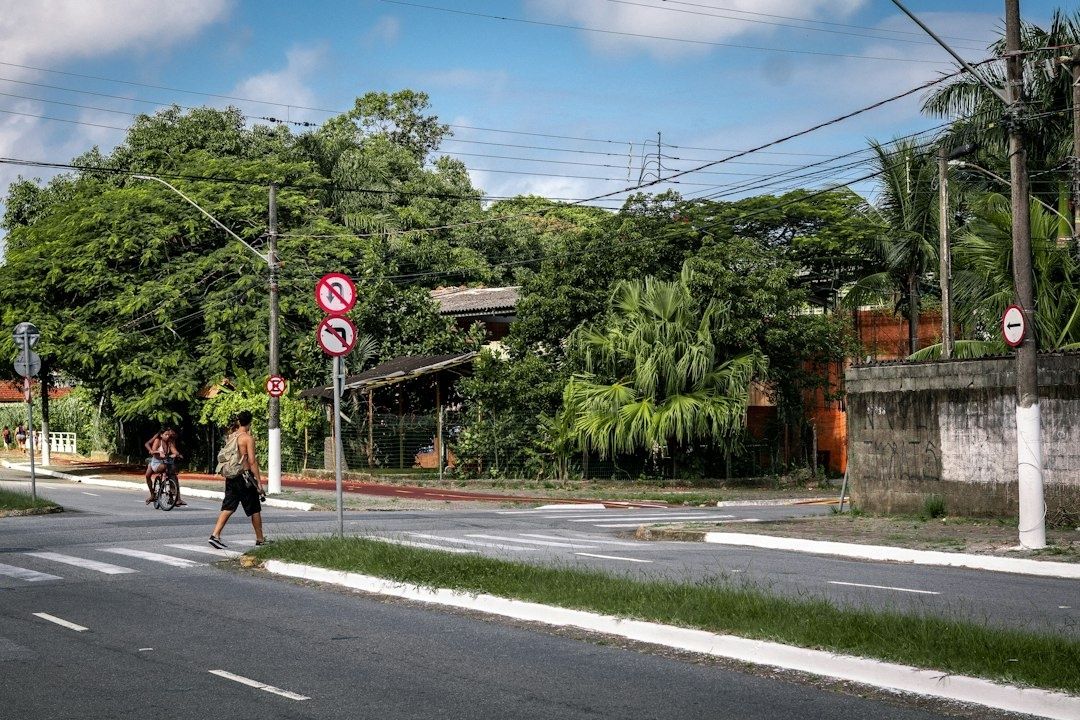
For many Australian suburban households, the car remains the default answer to almost every local journey. School drop-offs, pharmacy visits, coffee runs and short trips to the shops are often planned around driveways, parking spaces and traffic lights rather than distance. That arrangement is convenient, but it also makes everyday life more enclosed. A short trip that could involve fresh air and a familiar face becomes a sealed journey from garage to destination, with little contact with the street in between.
The 20-minute neighbourhood is often presented as a planning ambition, yet its practical meaning is much simpler. It describes a daily area where essential services, local shops, schools, parks and social places can be reached within a manageable walk or cycle. Treated as a habit rather than a slogan, it becomes an active way to read the suburb. Replacing even some quick car trips with walking adds movement to the day, creates chances for casual conversation and gives residents a sharper understanding of what works, what feels unsafe and what their neighbourhood still lacks.
The Anatomy of an Everyday Suburban Orbit
An achievable walking orbit is not a perfect circle drawn on a council map. For most people, an 800-metre to 1.2-kilometre radius represents roughly ten to twenty minutes on foot, depending on age, mobility, weather, crossings and the condition of the route. In a middle-ring Australian postcode, that distance might include a primary school, a local shopping strip, a bus stop, a small park, a library, a medical practice or a community centre. It may not include every service a household needs, but it can cover enough routine destinations to make the suburb feel less dependent on the car.
The gap between a theoretically walkable destination and a genuinely usable one is often found at the kerb. Missing footpaths, steep driveways, unshaded verges, fast crossings and roads designed primarily for vehicle movement can turn a short distance into an unpleasant or intimidating journey. The same applies to personal routines. People may worry about carrying groceries, arriving sweaty, managing children, walking after dark or losing the time-saving certainty of driving. These are not trivial objections. A successful walking culture depends on practical design and realistic expectations, not on telling residents to ignore inconvenience.
One useful test is to compare the journey itself rather than simply measuring kilometres. Driving may be faster on paper, but a short trip can include finding keys, loading children, navigating congestion, searching for a parking space and reversing into traffic. Walking offers a different sequence, with a steady pace and no parking search. The contrast is especially clear for small errands.
| Everyday trip | Typical driving friction | What walking can add |
|---|---|---|
| Buying a few groceries | Starting the car, parking and carrying the same short-distance load | Light exercise, a slower pace and a chance to use local shops |
| School drop-off | Traffic queues, idling vehicles and concentrated kerbside pressure | Conversation, independence for older children and calmer streets |
| Collecting a prescription | Finding a space for a journey that may take only a few minutes | A predictable routine that links health care with daily movement |
| Meeting for coffee | Coordinating parking and driving home | Visible street life and more incidental contact with neighbours |
The point is not to eliminate driving. Families will still need cars for large shopping trips, work commutes, mobility needs, bad weather and destinations outside the local orbit. The more useful question is which journeys can be shifted without creating hardship. That distinction makes the 20-minute neighbourhood a practical household experiment rather than an all-or-nothing transport program.
Physical Health and Ecological Gains Right at the Kerb
Walking errands are valuable because they distribute movement across the day. A ten-minute walk to the shops, followed by another ten minutes home, can become part of ordinary life rather than a separate exercise appointment. This contributes to non-exercise activity thermogenesis, the energy used through everyday movement such as walking, standing and climbing stairs. For people who find formal exercise difficult to sustain, repeated small trips can be a more realistic route to increased activity.
Regular walking also gives the cardiovascular system frequent, moderate work. It can support fitness, help regulate stress and break up long periods of sitting, although the precise health effect varies with pace, distance, age and medical circumstances. The largest public benefit appears when many residents make modest changes at the same time. Fewer short car journeys mean less traffic around schools and shopping strips, reduced demand for parking and fewer exhaust emissions concentrated in places where people are walking, waiting and gathering.
Active transport analysis also shows why these benefits are often undervalued in conventional road assessments. Walking can improve access for non-drivers, reduce household transport costs, support local business activity and contribute to community cohesion alongside its environmental effects. Institutional programs provide a useful illustration. The UC Davis Health green commuting program encourages walking, cycling, public transport, carpooling and vanpooling at least three times a week, linking cleaner commuting with reduced congestion, lower parking demand and improved daily health. The Australian suburban lesson is clear: one household”s short walk is small, but a school, workplace or shopping precinct can create a meaningful cumulative effect.
- Short trips made on foot can reduce cold-engine journeys, which are often inefficient at the beginning of a drive.
- Less traffic around schools can improve the immediate street environment for children, carers and staff.
- More walking increases passive surveillance, because more people are present and attentive in public space.
- Local businesses benefit when streets are comfortable enough for residents to arrive without a parking search.
- Footpaths, shade and safe crossings help people who do not drive, including children, older residents and people with limited access to a vehicle.
Climate and air quality gains should be described carefully. Walking one errand does not transform a suburb”s emissions profile, and local conditions vary. However, repeated short-trip substitution can reduce fuel use and vehicle activity at the places where exposure matters most. It also creates a stronger case for council investment in continuous footpaths, tree canopy and safer crossings, because those assets serve public health as well as transport.
Rebuilding Social Glue Through Casual Foot Traffic
Neighbourhood connection is often built through brief encounters rather than organised events. A parent recognised at the school gate, a familiar face at the corner cafe or a short conversation while waiting to cross the road can create what sociologists call weak ties. These relationships may not become close friendships, but they help residents recognise one another, exchange local information and feel that the street is populated by people rather than anonymous properties.
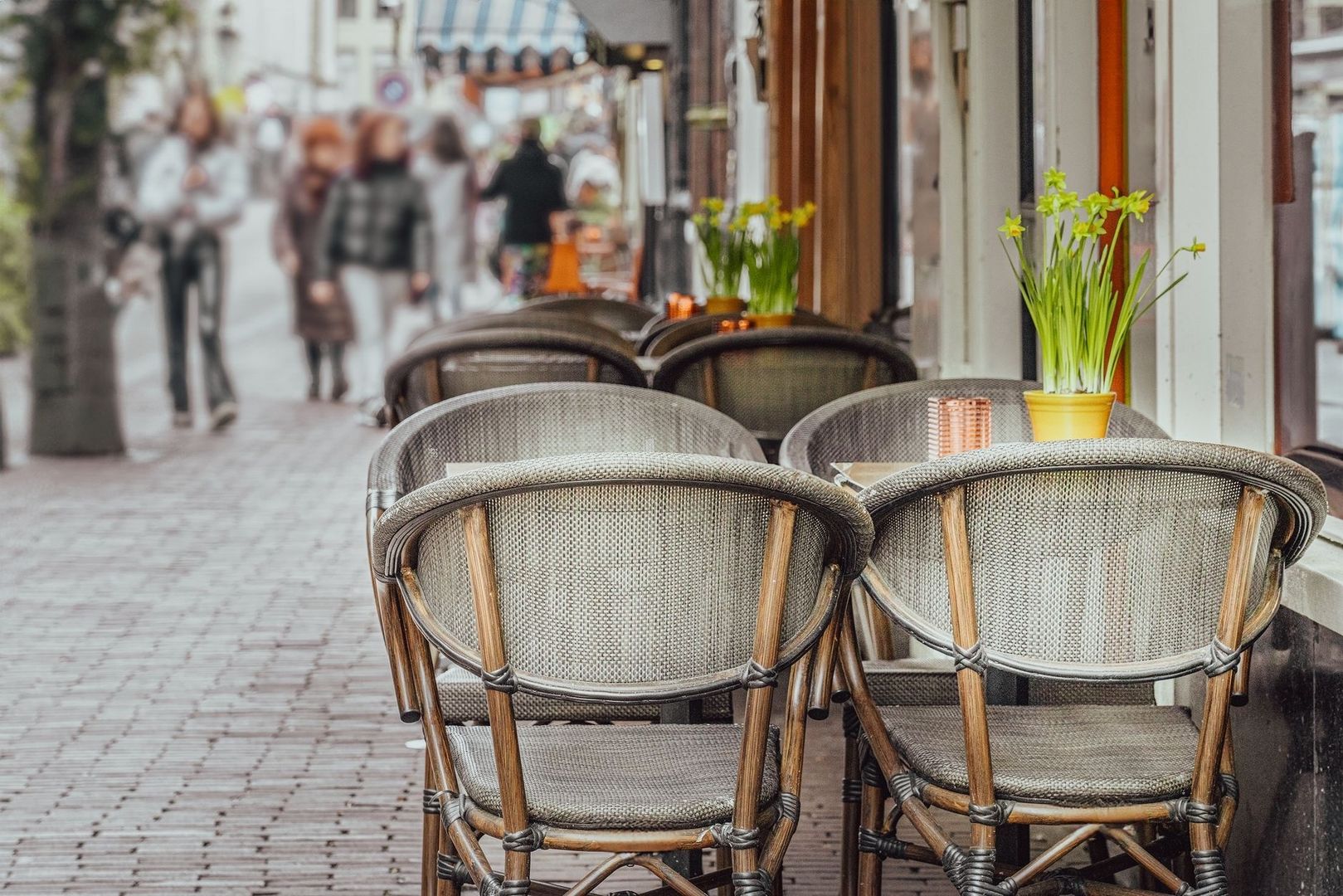
Walking makes those interactions more likely because it slows movement to a human scale. Drivers pass through streets with limited opportunity to notice who is present. Pedestrians share edges, shopfronts, crossings and benches, creating repeated visual contact. Research on neighbourhood environments and health has examined connections between walkability, social cohesion and mental well-being, although the evidence is complex and design alone cannot solve loneliness or disadvantage. A useful overview of the wider public-health evidence is available in this research on walkable neighbourhoods, which helps place street design within a broader discussion of physical and social health.
Perceived safety changes in much the same way. A street with people walking to the shops, children travelling with adults and residents using frontages can feel more legible and watched over than a street dominated by fast-moving vehicles. This is not a substitute for lighting, traffic enforcement or proper infrastructure. It is an additional layer of civic security created by ordinary presence. Walking also improves local knowledge. Residents notice the broken kerb, the dangerous turning movement, the missing shade and the business that has recently opened. Those observations are the raw material of better advocacy.
There is a civic dividend as well. Residents who know the route to a park, the location of the nearest bus stop or the condition of a school crossing are more equipped to participate in local decisions. They can describe problems in specific terms and distinguish a one-off inconvenience from a recurring design failure. Over time, that practical familiarity helps convert the suburb from a collection of private lots into a shared public environment.
How to Map and Advocate for Your Block
A walking audit does not need specialist equipment. It needs a repeatable route, careful observation and evidence that a council officer or elected representative can act on. Choose an ordinary destination within the local orbit, then walk it at the time when the route is most heavily used. A school journey at drop-off time will reveal different problems from a shopping trip on a hot afternoon or an evening walk home.
- Map the route. Mark the starting point, destination, distance, footpath continuity, crossings, bus stops, parks and places where people naturally gather. Record the route in both directions, because a safe crossing one way may be inconvenient or impossible on the return journey.
- Audit comfort and access. Note shade, seating, kerb ramps, surface damage, drainage, lighting and obstacles such as parked cars, bins or overgrown vegetation. Consider a pram, mobility aid or child”s shorter stride rather than assessing the route only as a fit adult.
- Record conflict points. Photograph or describe pinch points, missing footpaths, turning vehicles, long crossing waits and locations where pedestrians must step onto the road. Include the time, date and conditions, especially heat, rain or school traffic.
- Submit a focused request. Send the evidence to the relevant local council department, ward councillor or community reference group. Ask for a specific response, such as a site inspection, crossing-time review, footpath repair or feasibility assessment, rather than making a broad complaint about walkability.
Heat deserves particular attention in Australian suburbs. A route can be technically short but functionally inaccessible during a hot afternoon if it has no tree canopy, shade structure or drinking-water access. Similarly, a footpath that ends just before a major road may be more dangerous than a longer continuous route. Documenting these conditions helps councils prioritise projects according to lived difficulty rather than a simple map of distances.
Residents can also build practical momentum through walking buses, school travel groups and pedestrian advocacy organisations. A walking bus is not merely a transport arrangement. It can reduce car congestion, help children learn local routes and give adults a regular point of contact. Community groups should set clear supervision arrangements, choose routes carefully and confirm local school or council requirements. The strongest advocacy combines this local knowledge with evidence about access, health, emissions, safety and the needs of people who cannot drive.
Step Out the Front Door and Claim Your Streets
The 20-minute neighbourhood becomes meaningful when it is tested at street level. Its value lies in the accumulation of ordinary decisions: walking to the bakery instead of driving, taking a child to school on foot when conditions allow, choosing a nearby park, or meeting someone at a local shop rather than travelling across the suburb. These actions can improve daily fitness, reduce some vehicle emissions and create the repeated encounters from which trust grows.
One practical next step is to choose a single 20-minute errand this week and walk it at a realistic time. Notice where the route works, where it fails and what would make it easier for more people. A photograph of a missing footpath, a conversation with a neighbour and a clear council request may seem modest, but civic renewal usually begins with that level of detail. Human-scale neighbourhoods are not delivered by policy language alone. They are built when residents use the street, understand its weaknesses and make the case for a safer, cooler and more connected local orbit.