
Beyond the Screen: Why Tactile Hobbies Are Healing Our Frayed Attention Spans
The Quiet Revolt Against the Glass Rectangle
Across Australian workplaces, homes and public spaces, attention is being pulled into smaller and smaller fragments. A work message arrives during breakfast, a news alert interrupts a meeting, and an evening intended for rest becomes another sequence of scrolling, streaming and checking. The result is familiar: tired eyes, a restless mind and the uneasy sense of being busy without having properly arrived anywhere.
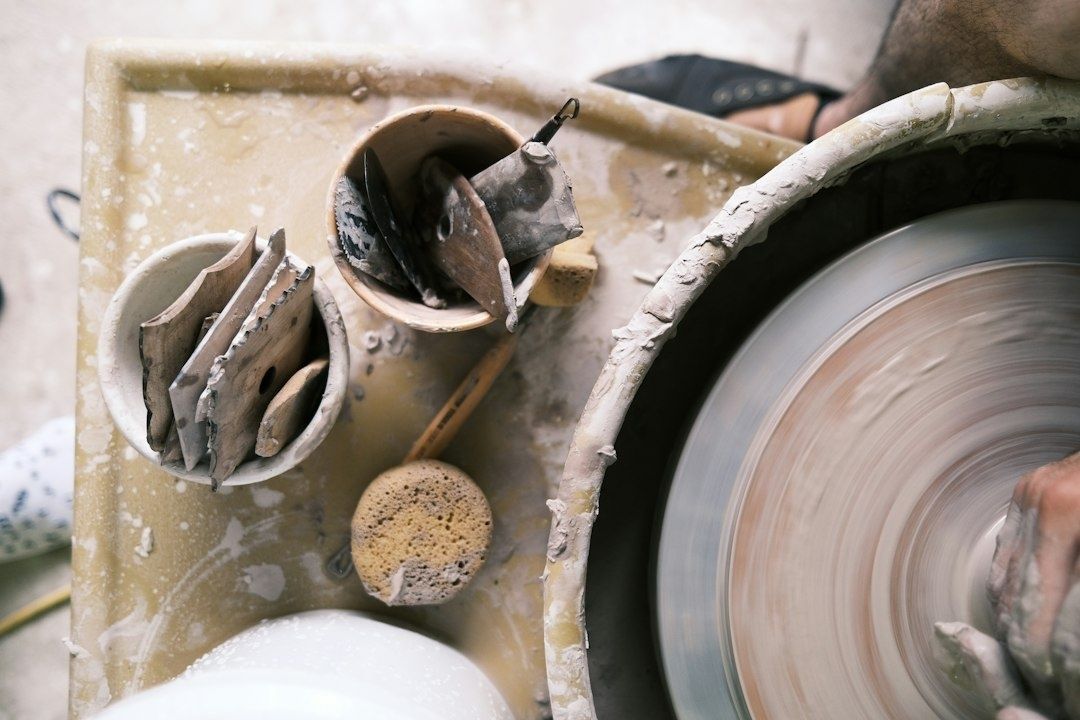
Digital leisure often fails to restore energy because it keeps the same systems engaged. The screen may show a different app, but the eyes remain fixed at near range, the hand repeats a frictionless gesture and the brain continues processing rapid changes. Tactile hobbies offer a different proposition. Clay, timber, wool, paper, soil and dough provide resistance, weight and texture. They are not simply attractive lifestyle props for social media. Used modestly and without pressure to perform, they are a practical sensory counterweight to digital burnout.
The Neural Mechanics of Physical Resistance
Fine motor activities ask attention to become specific. Thread must pass through fabric, a needle must find the correct point, a knife must follow the grain of a vegetable and wet clay must be supported before it collapses. These tasks involve visual judgement, touch, proprioception and coordinated movement between both hands. That combination gives a wandering mind a sequence of immediate problems to solve, rather than an endless stream of abstract prompts.
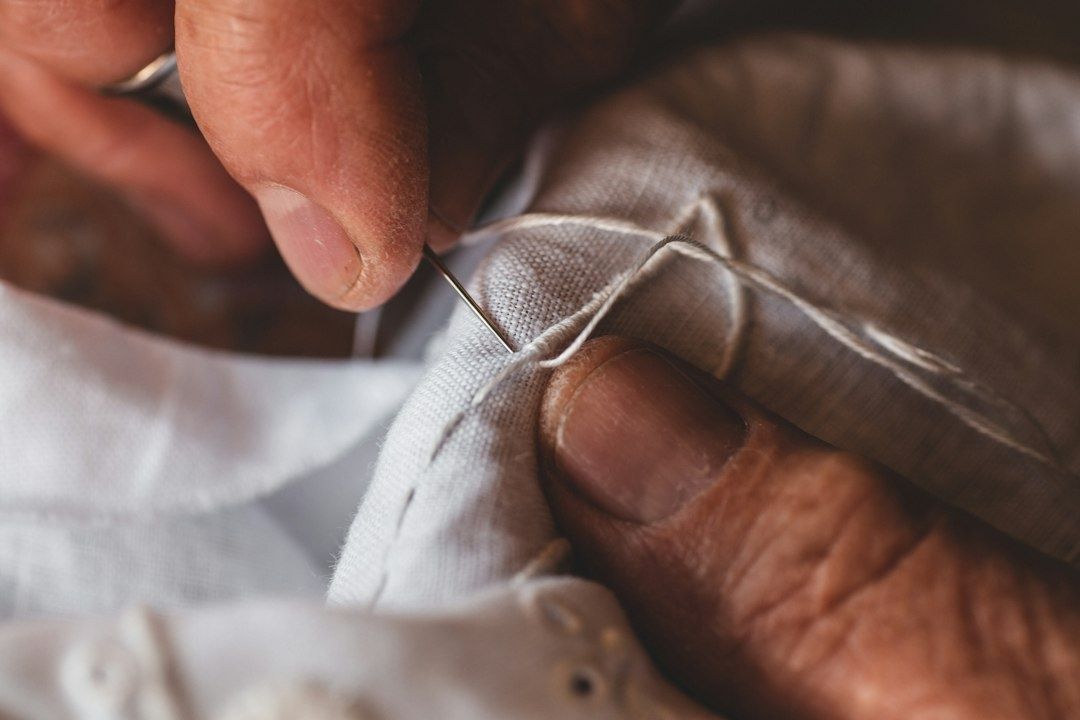
The difference between swiping glass and handling a resistant material is more than symbolic. A phone offers almost no physical feedback beyond a light tap or vibration. Wool catches, dough stretches, timber pushes back and clay changes under pressure. Those signals help connect movement with consequence. Handwriting provides a related example: research reviewed in the neuroscience of handwriting describes the broader motor, sensory and visuomotor networks involved compared with typing. The point is not that every analogue activity is automatically superior, but that richer sensory feedback gives the brain more substantial information to organise.
Clinical research is encouraging, although it should not be oversold. A systematic review of creative arts research found preliminary evidence that artistic engagement activates networks involving the medial prefrontal cortex and amygdala, regions relevant to emotional regulation. The evidence base remains limited, with further study needed, but the findings help explain why making, music and movement can feel settling rather than merely distracting. This review of how the arts heal presents creative activity as a possible complement to conventional care, not a replacement for professional treatment.
Relieving the Hidden Costs of Screen Fatigue
Screen fatigue is not just a complaint about concentration. Prolonged close focus can produce asthenopia, the clinical term commonly used for eye fatigue, along with dryness, blurred vision, burning, headaches and difficulty keeping the eyes open. Digital work can also contribute to neck and shoulder pain because screens encourage fixed posture. The American Optometric Association identifies eyestrain, headaches, blurred vision, dry eyes and neck or shoulder pain as common features of computer vision syndrome.
A tactile hobby can provide active recovery, but only if it changes the visual and physical demands placed on the body. Knitting at the same near distance for hours is not a complete break for the eyes, and intricate craft can itself cause strain. The useful contrast is variety: look across a room while kneading dough, stand to water seedlings, move between sorting materials and working with the hands, or take a short walk before returning to a project.
| Digital strain | Tactile recovery |
|---|---|
| Fixed near-field focus on a luminous display | Changing focal distances and, in many activities, broader visual attention |
| Reduced blinking and exposure to glare or dry air | Regular pauses, natural light and movement away from the workstation |
| Static posture and repeated small screen gestures | Standing, reaching, kneading, cutting, sanding or arranging materials |
| Rapid notifications and competing demands | One physical task with visible, slower feedback |
Medical advice remains straightforward. The 20-20-20 rule means looking roughly 20 feet away for 20 seconds every 20 minutes, while regular blinking, sensible lighting and reduced glare also help. Harvard Health”s eye-strain guidance notes that discomfort is usually temporary, but persistent symptoms deserve an eye examination. Sudden pain or vision loss requires prompt medical attention. A pottery class or repair session can support recovery, but it cannot correct an untreated vision problem or replace clinical care.
Why Rhythmic Repetition Calms an Overstimulated Mind
Repetition gives the nervous system a stable track to follow. Darning, knitting, crocheting, kneading sourdough or sanding a small piece of timber involves recurring movements, predictable resistance and a manageable level of decision-making. Many people describe this as a meditative state, not because the activity eliminates thought, but because it narrows attention to the next stitch, fold, press or pass.
Tasks that use both hands can also require bilateral coordination and occasional movement across the body”s midline. That does not make them a guaranteed treatment for anxiety, and claims about precise neurochemical effects should be treated carefully. Still, the practical pattern is clear: steady movement, touch and focused attention can interrupt rumination and reduce the demand for constant novelty. A 2023 meta-analysis reported associations between hobbies and better health, happiness and life satisfaction among older adults, although such research shows relationships rather than proving that one hobby causes all of those outcomes.
The strongest case for an analogue hobby may be that it does not need to become another performance target. It does not have to produce an online shop, a polished photograph or a measurable productivity gain. Low-stakes leisure matters because enjoyment itself can make space for recovery. Useful starting points include:
- Choose a task with a clear physical rhythm, such as folding paper, kneading, sweeping a small workshop area or stitching.
- Keep the first project short enough to finish before frustration takes over.
- Leave the phone in another room, unless it is needed for safety or instructions.
- Allow uneven results, repairs and mistakes instead of treating them as evidence of failure.
- Stop while the activity still feels restorative, rather than turning relaxation into another obligation.
Reclaiming Connection in Local Neighbourhood Spaces
The community value of making is often overlooked. A repair cafe is not only a place where a toaster, chair or bicycle may be saved from disposal. It is a setting where practical knowledge moves between generations and where conversation has a natural subject. Men”s Sheds provide a similar structure, combining tools, projects and social contact for members who may otherwise have limited opportunities to connect.
Examples from Australian suburbs show how these spaces can grow beyond a weekly activity. The Hawker Men”s Shed in the ACT reports quarterly Community Repair Cafes and made-local markets supported by volunteers, repairers, stallholders and visitors. Its reported 2026 sector activity also highlighted leadership, inclusion, health, mentoring, governance and collaboration. A donated double garage is being developed to store materials and equipment, including items awaiting repair. These details matter because community infrastructure is not created by enthusiasm alone. It needs space, volunteers, materials and a reliable way for residents to participate.
Shared tactile work can also soften civic loneliness. Someone who arrives to mend a lamp may leave with a practical solution, a new contact and a reason to return. A younger participant can learn how to sharpen a tool; an older resident can regain confidence using a digital booking system; a neighbour who rarely speaks in public can contribute through careful hands. To find a local entry point, start with the following steps:
- Search council community directories for repair cafes, Men”s Sheds, libraries, neighbourhood houses and community gardens.
- Check the websites and social pages of local makerspaces, pottery studios and adult-learning centres for casual sessions rather than only formal courses.
- Ask the nearest library or community centre whether volunteer repairers, craft circles or tool-sharing groups meet locally.
- Contact the group before attending to confirm opening arrangements, accessibility, materials, supervision and whether visitors need to bring an item or project.
- Offer a practical contribution, such as sorting materials, making tea, helping with transport or sharing a skill, rather than assuming participation must involve a large fee.
Put Down the Phone and Pick Up the Raw Materials
Tactile hobbies are accessible neurological anchors in an over-digitised daily life. They slow the hand, diversify the senses and give attention a physical object to meet. Their value is not that they make every problem disappear. Their value is that they create a different operating environment, one in which progress is visible, mistakes are repairable and the body is part of the activity rather than a support structure for a screen.
The practical next step can be deliberately modest. Buy a small ball of wool, borrow a hand tool, prepare a simple loaf, plant herbs in a pot, join a repair session or shape a piece of air-drying clay. No specialist room or perfect technique is required. The broader invitation is civic as well as personal: make more room in Australian neighbourhood life for workshops, sheds, libraries, gardens, studios and repair tables where people can meet through useful physical work. Attention is rebuilt one grounded action at a time.