
Can Indoor Greenery Actually Cut Daily Stress? How Aussie Homes Are Embracing Biophilic Living
Why Australian Living Rooms Are Turning Green
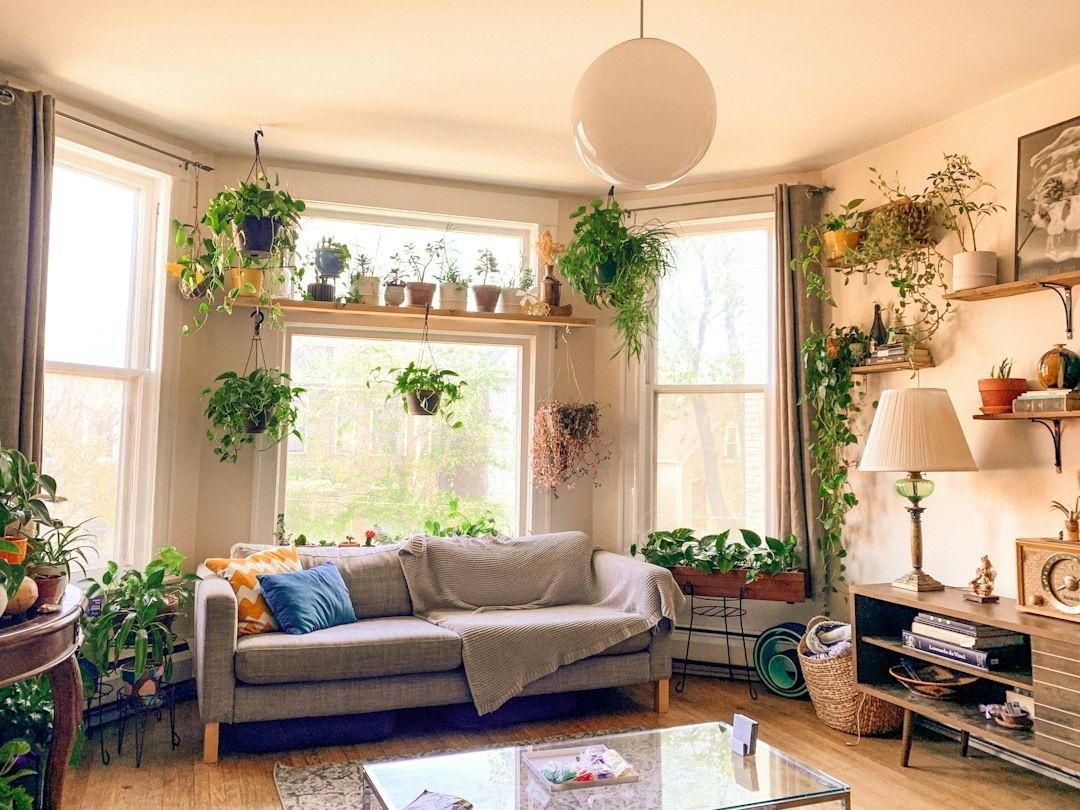
Australian homes are becoming greener for a practical reason: daily life is increasingly taking place indoors. Across Sydney, Melbourne and Brisbane, apartment consolidation, smaller private yards and hybrid work have reduced the routine contact many residents once had with soil, trees and open air. A spare bedroom is now an office, a balcony may be the only outdoor space, and the living room often carries several competing roles. In that setting, a few well-chosen plants can do more than decorate a shelf. They can create a visible reminder of the natural world during long stretches of screen time and artificial light.
That does not mean every glossy wellness claim about “air-purifying” plants should be accepted without question. The strongest case for indoor greenery is not that a pot plant will replace ventilation, an efficient rangehood or an air purifier. It is that contact with living foliage can help soften a visually sterile environment and support a calmer sensory experience. The approach is known as biophilic living, a practical design habit built around daylight, natural materials, ventilation and modest amounts of greenery. It requires neither specialist horticultural knowledge nor an expensive home makeover. For most renters and homeowners, the sensible starting point is two or three resilient plants placed where they will be seen and maintained easily.
The Science of Micro-Dosing Nature Indoors
The evidence needs to be read carefully. Indoor plants are often marketed as powerful filters for household pollution, but the claims associated with small laboratory experiments do not automatically translate to an ordinary Australian lounge room. A pot plant cannot compensate for smoke, mould, cooking emissions or an unflued gas appliance. Indoor air quality depends primarily on the sources of pollutants, the amount of outdoor air entering the home, ventilation practices, temperature and humidity. Greenery should therefore be treated as one part of a healthier indoor setting, not as a substitute for opening windows when appropriate or exhausting kitchen and bathroom air outdoors.
The mental and physiological findings are more promising, although they are not a licence to overstate certainty. Studies have associated viewing or caring for plants with lower reported stress, reduced autonomic arousal and, in some settings, lower blood pressure and heart rate. A rigorous review of 19 intervention studies found that all reported at least one beneficial health effect and 15 reported positive effects related to stress. However, the review also judged every included study to have a high risk of bias, so the findings support a plausible, useful habit rather than a guaranteed clinical treatment. The practical message is measured: greenery may help, particularly when it is healthy, attractive and easy to care for.
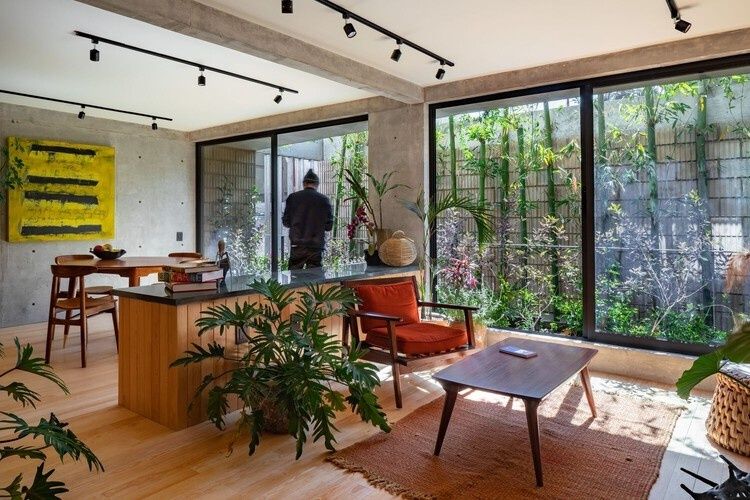
The same review, Can Even a Small Amount of Greenery Be Helpful in Reducing Stress? A Systematic Review, is especially relevant to apartment residents because it examined small-scale interventions, including potted plants and green walls. Even a brief visual encounter with living foliage may provide a small restorative pause between demanding tasks. That is the idea behind “micro-dosing” nature indoors. A single pothos beside a monitor, a compact palm near a reading chair or a small group of healthy plants on a bright shelf will not transform a stressful building, but it can introduce visual variation, softer forms and a natural focal point.
Plant appearance matters as well. Research discussed by The Conversation found that participants tended to rate green, healthy plants more positively than neglected examples, with pothos, weeping fig and palms receiving particularly favourable responses. Lush leaves, rounded shapes and gently arching canopies were generally viewed as more relaxing than sparse or sharply spiked forms. This is useful guidance for busy households: the most beneficial plant is unlikely to be the rarest one. It is the plant that suits the room, remains healthy and can be noticed without becoming another obligation.
Countering the Concrete Squeeze in Modern Suburbs and Apartments
Urban consolidation has delivered clear benefits, including access to jobs, services and public transport, but it has also changed the texture of everyday home life. A high-rise resident may have a park nearby yet still spend most waking hours surrounded by glass, painted plaster, screens and hard flooring. A suburban household can have a garden but rarely use it during hot afternoons, winter rain or a working day divided by online meetings. The result is not necessarily dramatic “nature deprivation” in a clinical sense, but it is a steady reduction in ordinary, unplanned contact with living systems.
Sterile surfaces and persistent artificial glare can add to the sense of fatigue, particularly when a home office is also a bedroom or dining area. Closed windows may be necessary during heat, smoke or traffic pollution, but poorly managed airflow can allow odours, moisture and indoor contaminants to accumulate. Australian homes can be affected by cooking emissions, gas appliances, new furnishings, dust and mould. Plants may make a room feel more balanced, but the civic basics still matter: use kitchen and bathroom exhaust fans, address condensation, keep heating appliances properly maintained and ventilate when outdoor conditions allow.
As reported by the ABC”s look at indoor plants and apartment living, experts have raised concerns about the health effects of reduced nature contact in increasingly urban environments. The reporting points to potential links between urban conditions, limited access to gardens, pollution, heat and lower exposure to environmental diversity. Indoor foliage is only a partial response, but it is an accessible one, particularly for renters who cannot alter a building”s landscaping or create a backyard.
- Use a windowsill, shelf or narrow plant stand where floor space is limited.
- Choose plants that tolerate the room”s actual light rather than the light shown in a shop.
- Keep leaves free of heavy dust, while avoiding excessive watering that encourages mould or fungus gnats.
- Combine plants with daylight, timber, woven materials or a view of outdoor vegetation for a broader sensory effect.
- Keep exits, heaters, air-conditioning units and walkways clear, especially in compact apartments.
Community nurseries, neighbourhood swap groups and local gardening clubs are also making indoor greenery less intimidating. Cuttings shared between neighbours can reduce the cost of experimenting, while advice from a nearby nursery is often more useful than a generic social media care schedule. For residents with limited balcony or yard access, a small indoor collection can restore some of the daily observation that gardens traditionally provide: new leaves, seasonal changes and the simple task of checking whether a plant needs water.
Hardy Cultivars Built for the Australian Climate
The safest purchase is not necessarily the plant with the strongest wellness advertising. It is the species that can tolerate dry air from reverse-cycle air conditioning, inconsistent watering and indoor temperatures that shift between summer heat and winter cooling. Before buying, check the light at the intended location over several parts of the day. A bright room with filtered light is very different from a dark corner several metres from a window. Overwatering is a more common cause of failure than neglect, so pots must have drainage and watering should respond to soil moisture rather than a rigid calendar.
| Plant | Best fit | Care considerations |
|---|---|---|
| Pothos or devil”s ivy | Bright, indirect light and shelves | Adaptable and forgiving; allow the soil to dry somewhat between waterings |
| Snake plant | Bedrooms, offices and low-light areas | Stores water in its leaves; overwatering is the main risk |
| Spider plant | Hanging baskets and bright rooms | Generally easy to maintain; avoid leaving roots in standing water |
| Rubber plant | Well-lit living rooms | Large leaves provide visual presence; needs space and consistent, indirect light |
| Peace lily | Filtered light and humid rooms | Wilts visibly when dry but can be sensitive to harsh direct sun |
These varieties offer different visual effects without requiring a collection of rare specimens. Pothos creates movement from a shelf or hanging basket, snake plants bring upright structure to a desk or hallway, and rubber plants provide a fuller canopy in a living zone. The choice should also reflect household safety. Check plant toxicity before bringing greenery into homes with pets or young children, and avoid placing heavy pots where they could fall from a ledge or balcony.
Designing Restorative Spaces Room by Room
Plants work best when they are placed as part of a room”s existing sensory pattern. Daylight should be managed rather than blocked: sheer curtains can soften glare, while mirrors may reflect available light into a darker corner. Natural ventilation remains important whenever outdoor conditions permit, but windows should not be opened during severe smoke, extreme heat or poor outdoor air quality. Guidance on indoor air quality from CSIRO stresses that ventilation, moisture control and pollutant sources are central to a healthy building. Plants can support atmosphere and visual calm, but they do not remove the need for those measures.
- Start with the home office. Place one healthy plant within the natural line of sight, but not directly beside a keyboard where water could spill. A compact pothos or spider plant can soften the edge of a monitor without crowding the desk. If concentration is the priority, avoid turning the workspace into a dense display. A single focal plant is often enough.
- Build a calmer living zone. Use a taller plant to anchor an empty corner and a smaller plant on a side table or shelf. Keep the arrangement away from heaters and strong air-conditioning drafts. Pair foliage with timber, cane, linen or another tactile natural material to avoid making the room feel like a crowded nursery.
- Use balconies and windows carefully. A balcony can host hardy outdoor species, but wind, reflected heat and direct afternoon sun can be severe in apartment buildings. Begin with one protected pot, check building rules and use secure containers. Indoors, a narrow window garden can provide greenery without consuming valuable floor area.
- Move upwards in compact homes. Wall-mounted shelves, hanging baskets and vertical plant stands preserve walking space. They should be installed securely, especially above seating or near children”s play areas, and watering access should be considered before installation.
Maintenance should be designed into the layout. A plant that requires a ladder to reach or must be moved past furniture for every watering will quickly become neglected. Keep a small watering can nearby, wipe leaves when dust builds up and inspect for pests during routine cleaning. If a plant repeatedly struggles, replace it rather than treating its failure as a personal gardening verdict. Biophilic design is meant to reduce friction, not create another performance standard.
Cultivate Your Calmer Domestic Retreat Today
Biophilic living is most useful when it remains ordinary and affordable. It is not an indoor jungle, a branded wellness package or a promise that plants can solve every source of household stress. It is a series of small environmental decisions: a clear window, moderated glare, sensible ventilation, a natural texture and a healthy plant that gives the eye somewhere calmer to rest. For renters, those changes can be made without structural alterations. For homeowners, they can complement larger improvements such as shading, insulation and better airflow.
Start with two or three resilient plants suited to the actual light and temperature of the home. Place them where daily routines already pass, rather than hiding them in an unused corner, and give each one enough space and drainage. The most valuable result may be modest: a quieter visual field during a video meeting, a more welcoming living room after work or a brief moment spent caring for something alive. In crowded Australian homes, that small reconnection with the natural world is practical, evidence-informed and well within reach.