
Beyond Four Seasons: How Tuning Into Local Micro-Seasons Restores Daily Balance
Why the Four-Season European Calendar Fails Modern Australians
Australia is not short of seasonal change. The problem is that much of everyday life still describes that change using a European template that does not fit the places where Australians actually live. A fixed sequence of spring, summer, autumn and winter assumes broadly equal phases, predictable transitions and familiar weather patterns. In a suburb outside Perth, Melbourne, Darwin or Sydney, those assumptions quickly break down. Rain may arrive months earlier or later than expected, flowering can follow local moisture rather than a calendar date, and a cool morning can sit beside an unusually hot afternoon.
The mismatch is more than a vocabulary problem. Corporate quarters, school terms, financial-year deadlines and annual leave cycles impose another layer of artificial timing on top of the imported calendar. Work intensifies toward reporting dates, slows briefly, then accelerates again, regardless of whether local conditions invite activity or recovery. For professionals already dealing with long commutes, digital notifications and insecure boundaries between work and home, this fixed pacing can turn ordinary tiredness into persistent burnout. A more grounded approach begins with noticing what is happening outside the office, including the small routines that make daily home life more manageable.
Tuning into regional micro-seasons offers a practical civic habit rather than another lifestyle project. It means observing the local signals that mark a genuine shift, then making modest adjustments to work, rest, movement and neighbourhood activity. The aim is not to reject calendars, deadlines or modern services. It is to stop treating them as the only measure of time. When daily life is connected to local light, wind, moisture, birds, plants and public spaces, balance becomes less about personal discipline and more about responding intelligently to place.
The Ancient Logic of Regional Ecological Cycles
First Nations seasonal calendars show why local observation matters. Rather than dividing the year into four equal blocks, many Aboriginal and Torres Strait Islander knowledge systems identify changes through relationships among weather, plants, animals, water and human activity. These calendars are not interchangeable regional versions of one national system. They belong to particular communities and Countries, and they reflect detailed knowledge built over generations. The CSIRO”s account of Indigenous seasonal calendars stresses both their scientific value and the importance of Indigenous Cultural and Intellectual Property.
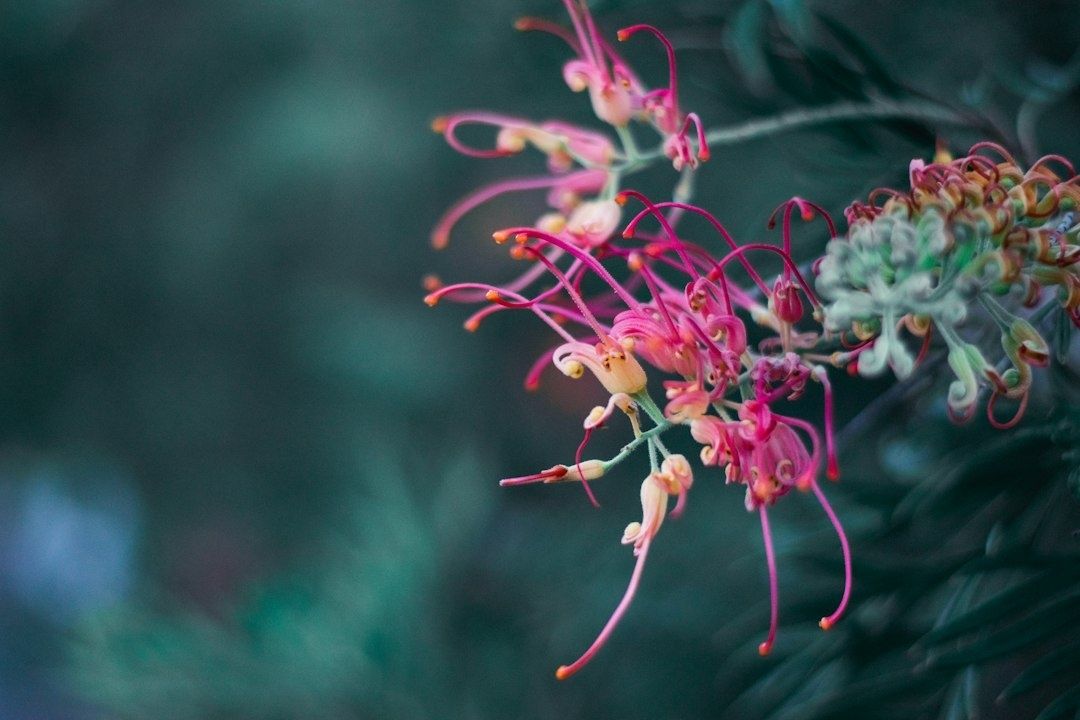
In practical terms, a seasonal transition might be signalled by the flowering of golden wattle, the arrival or movement of particular birds, a change in insect activity, the onset of cooler nights, or a shift in prevailing winds. A coastal suburb may experience a recognisable period when afternoon seabreezes become more reliable. An inland community may notice soil moisture, frost or grass seed before any official calendar says that a new season has begun. These are not decorative details. They influence when people travel comfortably, when gardens require water, when outdoor work becomes risky and when local ecosystems are most vulnerable.
The contrast with a static Western calendar is therefore a contrast between abstraction and attention. A printed date can tell a council when a reporting period ends, but it cannot tell a resident whether the creek is carrying more water, whether a park is drying out or whether local shade will make an evening meeting comfortable. Learning from established ecological frameworks reveals how community wellbeing deepens when people understand Indigenous seasonal calendars and local biodiversity patterns. That learning must be undertaken respectfully, with proper recognition of knowledge ownership rather than treating cultural calendars as generic productivity tools.
- Observe plant flowering, fruiting and leaf changes in the same nearby locations.
- Note bird calls, insect activity and the timing of animal movement without disturbing wildlife.
- Track wind direction, rainfall, humidity and soil condition alongside official weather forecasts.
- Ask local environmental groups, Traditional Owner organisations and land managers how seasonal knowledge is shared in that area.
How Hyper-Local Weather Shifts Influence Daily Biology
Micro-climates can alter the conditions under which people sleep, concentrate and recover. A shaded street, a dense apartment block, a park beside water and an exposed suburban road may all record different temperatures and wind patterns on the same day. Morning humidity can make a bedroom feel cooler or heavier than the official forecast suggests. A late afternoon seabreeze may bring relief to one neighbourhood while leaving another inland pocket hot and still. These differences matter because human biology responds to light, temperature, movement and regularity, not simply to the name of a month.
There is also a biological dimension to the air itself. A study of airborne bacterial communities over Tokyo, published in Frontiers in Microbiology, found that local meteorological conditions, particularly relative humidity and wind speed, were associated with microbial diversity. The research does not show that Australians can diagnose health conditions by checking a breeze, nor does it justify alarm about ordinary outdoor air. It does show that local weather can shape the airborne environment in ways that broad seasonal labels conceal.
For daily regulation, the useful response is modest. A falling barometer, a sudden increase in humidity or the first cooler evening can become a prompt to reduce stimulation, finish demanding tasks earlier and allow the body to settle. Consistent sleep, morning light, brief breathing pauses and time outdoors are commonly recommended as small regulation practices, although they are not substitutes for professional care when anxiety, depression, trauma or chronic stress are severe. Rhythm should not become another performance target. It is better understood as a flexible pattern that makes room for effort, recovery and change.
| Fixed calendar habit | Micro-seasonal alternative | Likely daily adjustment |
|---|---|---|
| Assume September always means spring conditions | Check flowering, temperature and local rainfall | Schedule outdoor exercise when heat and pollen are manageable |
| Work late because the quarter is ending | Notice light loss, heat load and signs of fatigue | Protect a clear stopping time and move complex work earlier |
| Use the forecast for a broad metropolitan area | Compare street, park and waterfront conditions | Choose the cooler route or a better-ventilated workspace |
| Treat weekends as the only recovery period | Use short daily changes in light, movement and quiet | Build recovery into ordinary weekdays |
Practical Ways to Anchor Your Work and Rest in Micro-Seasons
A micro-season audit does not require specialist equipment. The most useful record is consistent, local and brief. Choose one route, balcony, courtyard, park or street tree and observe it at roughly the same times each day. Record temperature by feel as well as by forecast, the direction and strength of wind, the quality of light, visible moisture, bird activity and any notable plant change. After two or three weeks, patterns begin to emerge. The shaded path may be cooler after lunch, the park may become noisy with birds at dawn, or a particular wind may signal a sharp change in evening comfort.
The next step is to use those observations to organise energy rather than simply collect information. Focused writing, analysis or design work may be easier when natural light is steady and temperatures are moderate. Administrative tasks can be placed into hotter or darker periods, while short walks can accompany the transition out of work. A simple home reset, such as clearing a desk or preparing clothing for the next morning, can reduce friction without becoming an elaborate routine. The broader principle is consistency over intensity, a point also reflected in practical guidance on building regulation into existing routines.
- Choose one observation point within a five-minute walk of home or work.
- Spend three minutes checking light, wind, humidity, temperature, sound and visible ecological activity.
- Write one sentence describing the day”s local condition, using plain language rather than technical labels.
- Match one work or rest decision to that condition, such as moving a meeting outdoors, finishing earlier or opening the home for cooler air.
- Review the notes at the end of each week and identify one recurring local pattern.
These rituals work best when they are attached to activities already in the diary. Morning coffee can include a glance at the street tree. The walk from a station can become a check of wind and light. The end of the workday can include a minute outside before entering the next set of domestic tasks. This is similar to the practical logic of keeping a home system manageable: small, repeatable actions are more durable than ambitious overhauls. People experiencing persistent distress should seek qualified medical or mental health support, because environmental attention can complement care but cannot carry the full burden of recovery.
Building Community Resilience Through Shared Ecological Literacy
Micro-seasonal awareness becomes more powerful when it leaves the private balcony and enters public life. A neighbourhood that knows when a creek rises, when a heat-exposed footpath becomes unsafe or when a community garden needs shade is better equipped to respond before a problem becomes urgent. This shifts nature connection away from solitary self-care and towards shared civic knowledge. Residents, schools, libraries, local businesses and councils can all contribute observations without needing to become professional ecologists.
Simple initiatives are already within reach. A community garden can record flowering, pollinator visits, soil moisture and irrigation demand. A residents” group can map shaded walking routes for older people during hot periods. A school can monitor the first flowering of local species, while a library noticeboard can display seasonal observations from nearby streets. Bird sound recordings, rainfall logs and creek photographs can help residents see change over time, provided wildlife is not disturbed and data is handled responsibly.
The case for this work is not only environmental. A nationally representative Australian survey of 4,006 people found that nature connection was associated with life satisfaction and health-related quality of life. People with the highest levels of nature connectedness were 4.6 times more likely to report the highest levels of life satisfaction than those with the lowest levels, according to the 2025 Australian nature connection survey. The findings do not prove that every nature activity will improve wellbeing, but they support a clear public-interest argument for better access to local nature and stronger environmental education.
- Create a shared neighbourhood phenology log for flowering, bird activity and rainfall.
- Invite a local council environment officer, Traditional Owner representative or ecologist to explain place-based seasonal knowledge.
- Use community gardens to monitor heat, shade, soil moisture and water needs.
- Organise short seasonal walks that finish at a library, hall, market or local business.
- Share observations in accessible formats, while respecting cultural authority and Indigenous knowledge protections.
Collective observation also creates low-pressure opportunities for connection. A short walk or garden check gives neighbours a reason to speak that is not based on networking, consumption or crisis. It can reveal practical issues worth raising with local government, including missing shade, poor drainage, unsafe crossings or inadequate seating. The result is a stronger form of resilience, one grounded in shared attention, useful local information and relationships that can be activated when heat, storms or other disruptions arrive.
Reclaim Your Everyday Balance by Stepping Outside
Micro-seasons offer a realistic way to challenge the burnout produced by rigid calendars and relentless work cycles. They do not demand a return to an imagined past or require every task to follow the weather. Instead, they restore a missing layer of information. Light, wind, moisture, temperature, plant life and animal activity can help determine when to concentrate, when to move, when to pause and when to gather with others. The approach is practical because it begins with the suburb already outside the front door.
Today, notice one subtle change: a different bird call, a new flower, cooler air after sunset, damp soil, a shift in wind or a patch of shade that was not there last week. Record it, share it with a neighbour and let it influence one small decision about work or rest. Modern life will continue to run on deadlines, rosters and public timetables, but daily balance becomes more achievable when those systems are grounded in the ecological time of the place where people actually live.