
The Death of the Quick Chat: Why Our Suburbs Urgently Need Third Places Back
The Price of Belonging in the Australian Suburb
Across Australian suburbs, the quick chat is disappearing. The exchange at the letterbox, the familiar face encountered on a short walk, the neighbour who pauses beside a front fence, these small interactions once formed part of the ordinary texture of local life. Increasingly, daily routines run from driveway to car park, from workplace to shopping centre and back again. Many residents can spend an entire day among other people without sharing a meaningful, unplanned conversation.
At the same time, casual public life has become increasingly commercial. The cafe remains one of the few places where people can sit, but a table often comes with the expectation of buying a six-dollar flat white, ordering lunch or moving on quickly. That price is manageable for some households and a real barrier for others, especially as rents, mortgages, transport costs and groceries rise. Recent university findings on young Australians show why this matters: 43 percent of people aged 15 to 25 report feeling lonely.
Libraries, community gardens, shaded civic squares, neighbourhood houses and other non-commercial third places are not nostalgic extras. They are public infrastructure for social health. They give residents somewhere to be without paying, performing or explaining themselves. In a car-centric suburb, that neutral ground can determine whether people remain strangers or become part of a functioning community.
The Anatomy of Isolation in Modern Neighbourhoods
Suburban isolation is not simply the result of people becoming less friendly. It is also built into the shape of many neighbourhoods. Outer estates frequently separate homes from shops, schools, parks and services, with wide roads and limited footpaths making even short journeys uncomfortable or unsafe. A resident may live only a few kilometres from a library or community centre, yet still need a car to reach it. That requirement particularly affects teenagers without licences, older residents who no longer drive, people with disabilities and households unable to absorb rising transport costs.
The physical pattern produces different forms of isolation across the life course. Young adults may have digital access to hundreds of contacts while lacking a nearby place to meet people without spending money. Older residents can lose social contact after retirement, bereavement, illness or giving up driving. Research published in the Medical Journal of Australia estimates that about 28.5 percent of people aged 60 and over experience some loneliness. Loneliness is associated with depression, chronic disease, dementia and premature mortality, although the relationship can run in both directions, with declining health also making social connection harder.
The University of Sydney report identifies one in four young people as experiencing episodic loneliness and one in seven as experiencing persistent loneliness lasting at least two years. Persistently lonely young people were more than seven times as likely to report high or very high psychological distress. These figures should not be read as a reason to blame phones or individual habits. They point instead to a public policy problem involving housing, transport, cost of living, planning and the availability of safe community spaces.
| Setting | Access | Social expectation | Likely community effect |
|---|---|---|---|
| Commercial cafe | Usually requires a purchase and may have limited seating | Customers are expected to order and avoid lingering during busy periods | Supports some interaction, but excludes people on tight budgets |
| Shopping centre | Open to the public, but designed around retail activity | Movement and consumption are prioritised | Creates visibility without necessarily creating belonging |
| Public library | Free, generally accessible and open to a broad age range | People can borrow, study, attend activities or simply sit | Builds repeated, low-pressure contact across social groups |
| Community garden | Often free or low cost, with access managed locally | Participation is practical rather than performative | Creates cooperation, shared responsibility and local trust |
The distinction is important. A transactional setting asks, “What are you buying?” A genuine third place asks, “How can this space serve the community?” The first can be pleasant, but the second is more likely to support durable social cohesion because participation is not tied to income. The practical test for councils is straightforward: can a resident enter, sit, contribute or speak with someone without needing a wallet, a membership or a reason that sounds productive?
Reimagining the Public Library Beyond Quiet Book Borrowing
Australian council libraries have already moved well beyond the old image of silent rooms lined with shelves. Many now function as living rooms for people who do not have suitable space at home, as study areas for students, as meeting points for new arrivals and as civic hubs where residents can access computers, information and local services. Their strongest feature is not any single programme. It is the permission they provide to remain in public without being treated as a customer.
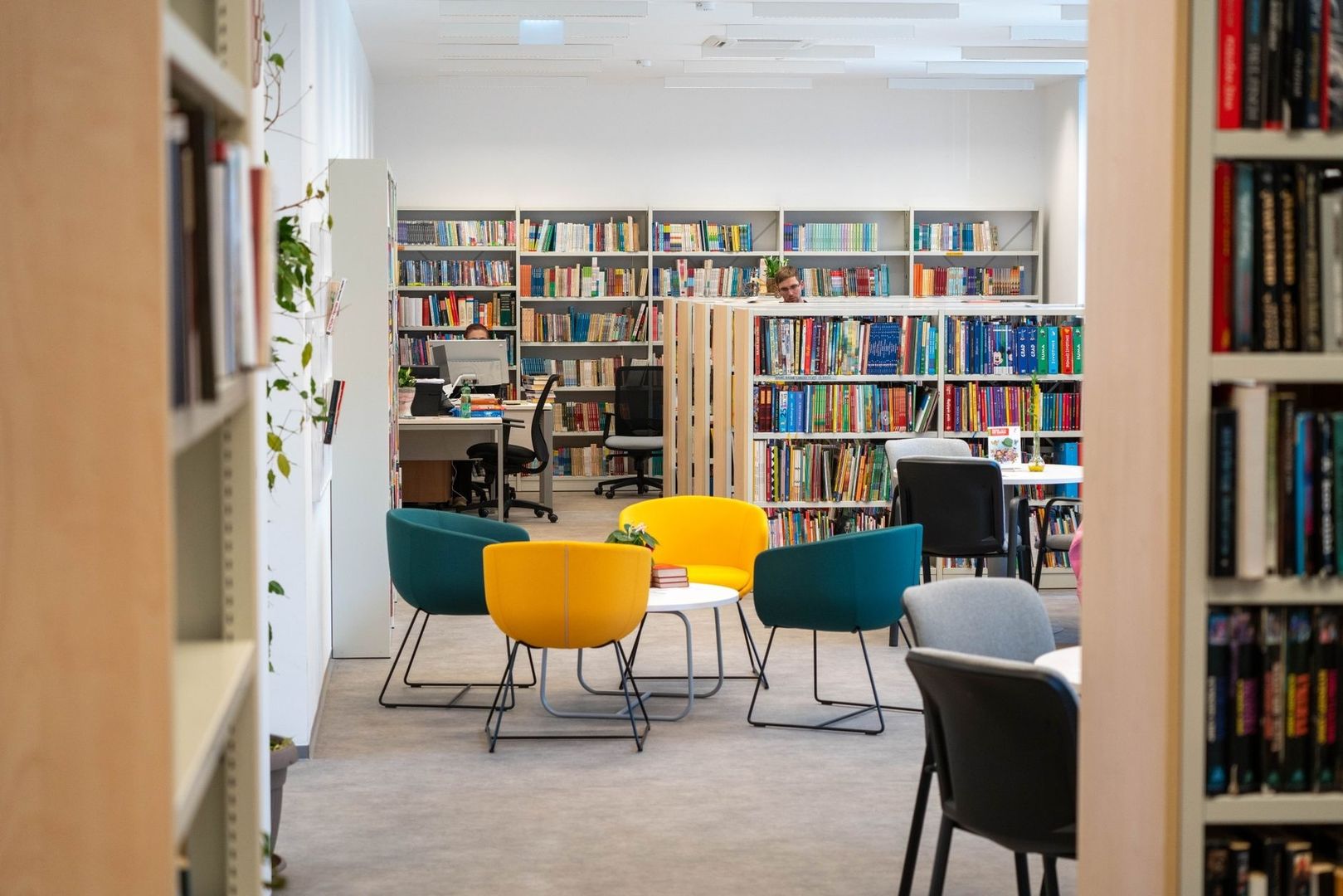
That permission matters in suburbs where homes may be crowded, workplaces are remote and socialising has become expensive. A library can support a young person seeking a quiet desk, an older resident attending a digital skills session, a parent looking for a free activity during school holidays or a jobseeker needing internet access. The University of Sydney research found that safe community spaces are important in helping young people build friendships, while technology can support connection but can also intensify bullying and exclusion.
- Repair cafes can bring residents together around broken lamps, small appliances, bicycles and sewing projects while transferring practical skills.
- Digital tool sheds can provide computers, printers, recording equipment and guidance for people who lack reliable technology at home.
- Free workshops can cover local history, language exchange, homework support, financial literacy, gardening, craft and employment skills.
- Flexible seating can make room for conversation as well as quiet work, avoiding the assumption that every library user wants the same experience.
The library also gives councils a reliable platform for reaching people who may never attend a formal consultation. A noticeboard, community conversation or drop-in session can connect residents with local planning issues in a familiar setting. Protecting library hours, staffing and accessible locations should therefore be treated as a social investment, not merely a service budget decision.
Rooted Connections in Local Community Gardens
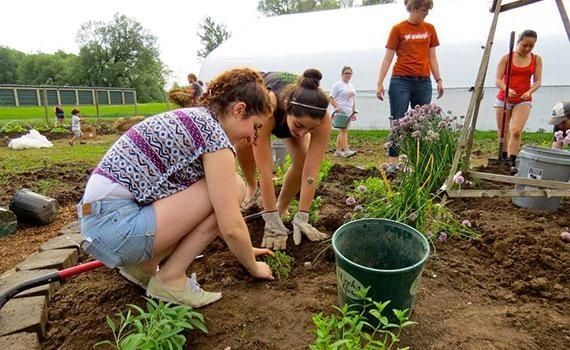
Community gardens solve a different part of the third-place problem. They turn neighbours into collaborators through shared soil, tools, watering schedules and seasonal work. The conversation does not need to be manufactured because the task provides a natural opening. Someone asks when the tomatoes should be planted, offers surplus seedlings or shows another gardener how to repair a raised bed. Repeated contact grows from ordinary cooperation.
The benefits are practical as well as social. Gardening involves movement, time outdoors and exposure to nature, while access to fresh produce can support healthier diets and household food security. Community garden programmes also report associations with lower stress, anxiety and depression, although outcomes vary according to how gardens are managed and who can access them. Shared green spaces can cool hard urban surfaces, improve local amenity and transform neglected land into a place with a visible civic purpose.
Gardens are particularly effective at creating intergenerational contact. A retired horticulturalist may share knowledge with a teenager; a young family may contribute compost while learning about crops from a migrant neighbour; children can see food growing rather than encountering it only in a supermarket aisle. No scripted icebreaker is required. The work creates a reason to return, and the return visits build recognition, trust and belonging.
- Reserve plots or shared beds for residents who cannot manage a full allotment alone.
- Grow culturally significant foods so the garden reflects the suburb”s languages, migration histories and cooking traditions.
- Provide accessible paths, raised beds and seating for people with limited mobility.
- Set clear rosters for watering, tool care and maintenance so responsibility is shared fairly.
- Use harvest days, seed swaps and open working sessions to welcome residents who are curious but not yet ready to commit to a plot.
For councils, the key issue is land security. Gardens require more than a temporary patch that may disappear with the next development proposal. Long leases, water access, storage, shade and basic amenities signal that food growing and social connection are legitimate uses of urban land. The garden does not need to be large to matter. A modest site beside a library, school or park can become a regular meeting point for people who would otherwise pass one another unseen.
Practical Ways to Revive Casual Encounters on Your Street
Residents do not need to wait for a major redevelopment before making a street more welcoming. Small interventions work best when they are predictable, low cost and easy to join. A street verge library, a shared noticeboard or a regular morning gathering can create the kind of repeated, informal contact that formal events often struggle to produce. The aim is not to turn every neighbour into a close friend. It is to make recognition normal again.
- Start with a street library. Use a weatherproof box on private land or seek council guidance where the structure affects the footpath or verge. Add a simple invitation such as “take a book, leave a book” and keep the design safe and accessible.
- Add a useful noticeboard. Share information about local classes, lost pets, surplus produce, community meetings and free services. Avoid turning it into an advertising board.
- Choose a regular low-pressure time. A monthly Saturday morning tea on a verge, park edge or shared courtyard is easier to sustain than a large annual event. Keep it short, free and open to people who can stay for ten minutes.
- Book a council open space. Ask the local council about reserving a park shelter, community hall or neighbourhood house for a neighbour morning. Check requirements for insurance, permits, amplified sound and temporary furniture.
- Connect the activity to an existing hub. Invite a library worker, community garden coordinator, local school representative or neighbourhood house organiser to share information, rather than building every service from scratch.
- Advocate through planning channels. When a development application or structure plan is advertised, ask where residents will meet, whether walking access is safe and which land is protected for libraries, gardens, parks and community rooms.
Planning advocacy should focus on measurable features rather than vague promises of “community.” Request shaded seating, public toilets, drinking fountains, continuous footpaths, safe crossings, mixed-use centres and premises that can host free activities. Ask who will manage the space, when it will open and whether operating funds are included. A landscaped plaza that cannot be reached on foot or has no reason for people to stay is not the same as a functioning third place.
Residents can also watch council agendas, attend planning meetings and make submissions before key decisions are settled. Community advocates are most effective when they document practical barriers: the distance to the nearest library, missing footpath links, insufficient lighting, inaccessible garden beds or the absence of affordable indoor space. These details turn loneliness from an abstract social concern into a planning issue that elected representatives and officers can address.
Reclaiming Common Ground Starts with Small Everyday Choices
Third places are essential health and social infrastructure because they reduce the number of barriers between residents and ordinary human contact. Libraries provide free room, information and support. Community gardens provide shared work, food, green space and a reason to return. Together with parks, neighbourhood houses and civic facilities, they create the conditions in which relationships can form gradually, without requiring high incomes, confident personalities or an invitation into someone”s private home.
Lingering in a public place should not be treated automatically as loitering or a failure to consume. Sitting under a library awning, talking beside a garden bed or pausing on a shaded street corner is part of civic life. This week, visit the nearest community garden or library hub, check its opening hours and ask what free activities are available. A brief visit may not solve suburban isolation on its own, but it can restore the first ingredient that every connected neighbourhood needs: a place where people are allowed to show up.